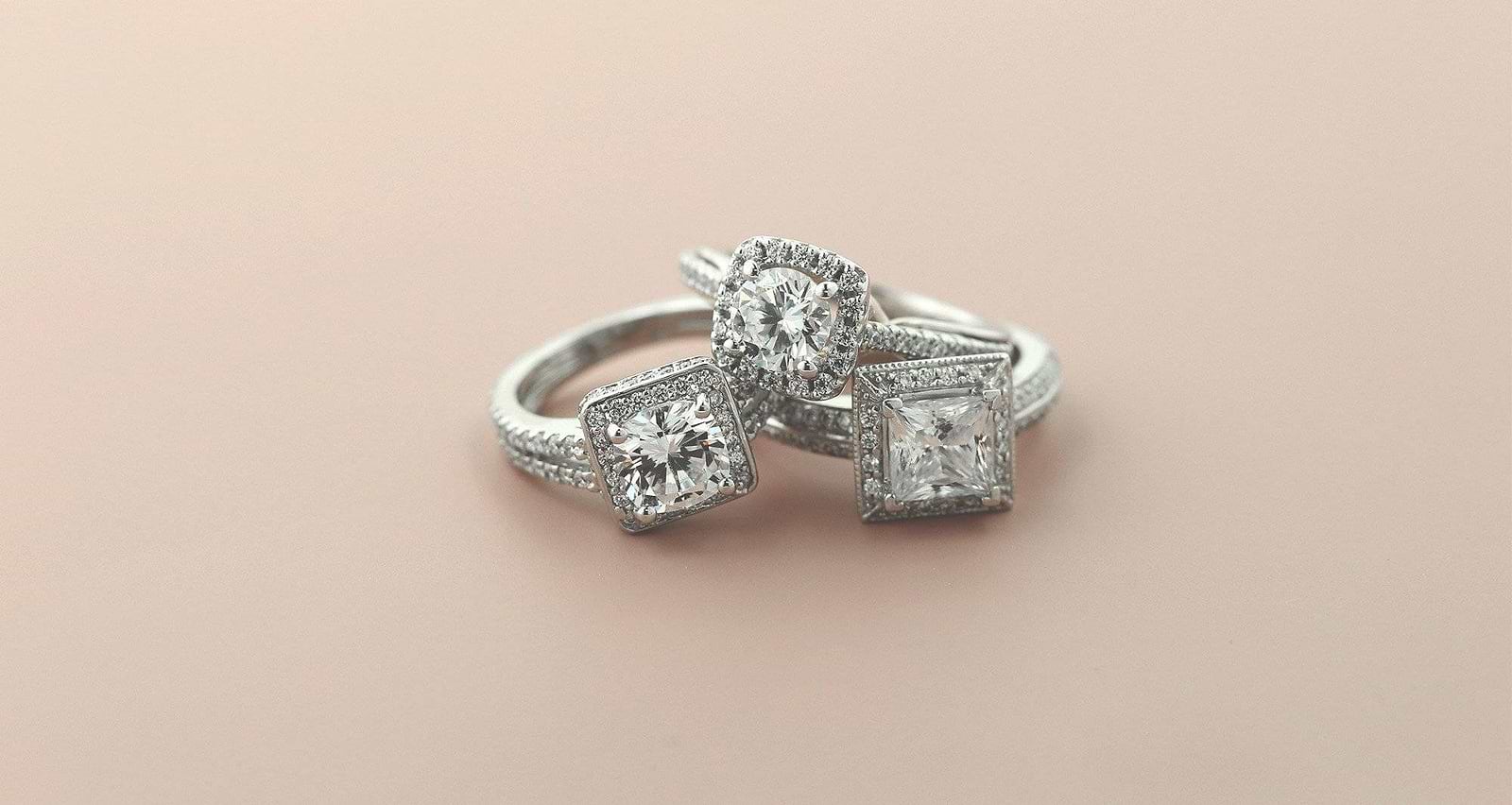

Lab Grown Diamonds: Redefining Brilliance

lab grown diamond pendants
I still remember the first time I held a diamond pendant in my hand. It wasn’t a grand occasion or anything — just an ordinary afternoon in a tiny Melbourne boutique. The gem was small, round, and sparkled with that unmistakable fire you only see in real diamonds. But here’s the twist: it wasn’t mined. It was grown.
Honestly, I had no idea what that even meant back then. “Grown? Like a plant?” I half-joked to the jeweller. He smiled, probably used to the question, and explained that this diamond had been created in a lab — with the same carbon structure, the same physical properties, the same everything. Except it hadn’t come from deep underground.
That was a few years ago, and since then, I’ve fallen down a rather glittery rabbit hole learning about lab grown diamond pendants — and why they’re reshaping how Australians think about luxury, love, and sustainability.
Why Lab Grown Diamonds Are Capturing Hearts (and Headlines)
There’s something refreshingly modern about the rise of lab-grown gems. In a world that’s constantly questioning how we consume — from fast fashion to fair trade coffee — it makes sense that people are now asking where their diamonds come from too.
Lab grown diamonds (or lab diamonds, as they’re often called) are chemically identical to mined ones. They’re grown using advanced technology that replicates the high-pressure, high-temperature conditions found deep within the Earth. It’s science, yes, but with a touch of romance — turning pure carbon into pure brilliance.
And you might not know this, but even professional jewellers often can’t tell the difference between a mined and a lab-grown diamond without special equipment. The sparkle, clarity, and cut are just as mesmerising. The only real difference? The origin story.
The Ethical and Environmental Angle
Let’s be honest — traditional diamond mining hasn’t always had the cleanest reputation. From environmental disruption to complex supply chains, the glitter of the industry has sometimes come with a shadow.
Lab-grown diamonds, on the other hand, are changing that narrative. They require significantly less energy and don’t involve digging massive holes into the Earth. No ecosystems destroyed. No soil displaced. No murky questions about sourcing.
For many Aussies, that makes a difference. There’s a certain peace of mind in knowing your diamond pendant didn’t come at a heavy cost to someone or something else. It’s the kind of quiet luxury that feels good to wear — both literally and morally.
A Shift in the Jewellery Landscape
If you’ve walked through a jewellery district recently — whether it’s Sydney’s Strand Arcade or one of Brisbane’s chic boutiques — you’ve probably noticed something. More and more jewellers are proudly displaying lab-grown pieces alongside mined ones, sometimes even giving them the prime spot in the glass case.
It’s not just a passing trend, either. Global jewellery houses and independent designers alike are embracing the movement. They’ve realised that lab-grown diamonds allow for creativity without compromise — stunning stones at a fraction of the environmental and ethical footprint.
And for pendants in particular? Well, they’ve become something of a canvas for expression. A single, luminous diamond suspended from a fine gold or platinum chain. Simple. Elegant. Versatile. It’s the kind of jewellery that looks just as good with jeans as it does with a cocktail dress.
If you’re curious, lab grown diamond pendants are available in an incredible range of designs — from delicate solitaires to bold halo styles. The craftsmanship rivals anything you’ll find in the traditional diamond world, yet often at a more accessible price point.
A Sparkle Within Reach
That’s another part of the story worth telling: affordability.
Traditional diamonds come with heavy markups due to mining, transport, and rarity. Lab-grown diamonds skip all that. You can often get a diamond that’s 30–40% larger, or of higher quality, for the same price as a smaller mined one.
It’s not about “cheap” jewellery — it’s about fair value. You’re paying for craftsmanship and beauty, not for an outdated supply chain. That shift has made fine jewellery accessible to people who once saw diamonds as “someday” purchases.
And honestly, that feels like a good thing. Why should something beautiful always come with an impossible price tag?
Personalisation and Design Freedom
Something else I love about the lab-grown space is the creativity it’s sparked among designers. Since the cost of the stone isn’t as restrictive, jewellers can play with designs in ways they might not have before.
Think asymmetrical settings, intricate metalwork, even custom pendant shapes that reflect personal stories — initials, constellations, minimalist geometric lines.
Many modern Australian jewellers now work with clients to co-design their own lab-grown diamond pendants. It’s a far cry from the cookie-cutter styles of the past. Each piece becomes something truly personal — an heirloom that carries meaning and modern values.
The Emotional Core of Diamonds (No Matter How They’re Made)
Here’s the thing that surprised me most: when you wear a lab-grown diamond, it feels exactly the same. That quiet thrill of seeing light catch on the stone? The sentimental value of receiving it as a gift? None of that changes.
A diamond has always been a symbol — of love, commitment, achievement, self-expression. That symbolism doesn’t depend on whether the diamond came from a mine or a laboratory.
If anything, knowing it’s been created responsibly adds another layer of meaning. It becomes a symbol not just of love, but of awareness — of choosing consciously in a world where choices matter.
You can read more about the emotional side of lab diamonds and how they’re redefining modern gifting at this thoughtful article. It’s a lovely exploration of how sparkle and sentiment can co-exist beautifully.
A Quiet Revolution in Luxury
I’ve always thought that true luxury isn’t loud. It’s not about logos or status symbols — it’s about knowing you’ve chosen something meaningful, something that lasts.
Lab-grown diamonds fit that definition perfectly. They’re understated yet significant, combining technology, beauty, and ethics in one shimmering package.
The funny thing is, the more people learn about them, the less they see them as a “second option.” Many now prefer them outright. It’s a bit like the shift we saw with electric cars or sustainable fashion — once you understand the story, it’s hard to go back.
My Experience Trying One
A few months ago, I borrowed a lab-grown diamond pendant for a magazine shoot. It was a pear-shaped stone set in 18k rose gold, elegant but not over-the-top. The moment I put it on, I caught myself smiling. It had that same timeless allure, but knowing it was made in a lab — consciously, cleanly — made it even more special.
And when I mentioned it was lab-grown, people didn’t react with scepticism. They leaned in. “Really? That’s stunning!” was the usual response. That’s when I realised this isn’t just a trend — it’s a movement.
The Science Bit (For the Curious Minds)
If you’re wondering how exactly lab-grown diamonds are made, here’s a simplified version. Scientists use one of two main methods: HPHT (High Pressure High Temperature) or CVD (Chemical Vapour Deposition).
In both cases, the goal is to mimic the natural conditions that create diamonds beneath the Earth’s crust. A small “seed” diamond is placed in a controlled chamber, where carbon atoms bond layer by layer over weeks, forming a larger crystal.
The result? A genuine diamond — pure carbon, same refractive index, same hardness, same chemical makeup. The only difference is the birthplace.
It’s honestly fascinating science. And the more you learn about it, the harder it is not to be impressed.
Choosing Your Pendant: A Few Tips
If you’re thinking about buying one, here are a few small pieces of advice I’ve picked up along the way:
- Look for certification. Just like mined diamonds, lab-grown stones come with grading reports (from GIA or IGI, for instance). It ensures transparency about cut, colour, clarity, and carat weight.
- Decide what matters most. Some people prioritise size, others brilliance or ethical sourcing. With lab-grown options, you can often have a bit of everything.
- Think long-term. Pendants are incredibly versatile — they layer well, dress up or down, and never go out of style. Choose a design that you’ll still love in ten years.
- Support local where you can. Australia’s jewellery scene is rich with independent designers who are embracing lab-grown stones. Buying local keeps the industry thriving and sustainable.
The Future of Fine Jewellery
It’s strange to think that diamonds — one of the oldest symbols of luxury — might have found their future in a lab. But that’s exactly what’s happening.
You can feel the shift in the air. People care about where things come from. They value transparency and responsibility as much as beauty. And honestly, that’s a good thing.
Lab-grown diamond pendants aren’t just jewellery. They’re a quiet statement about who we are now — thoughtful, informed, and unwilling to compromise on what matters.
Final Thoughts
When I look at a lab-grown diamond pendant these days, I don’t see something “less than.” I see progress. I see ingenuity. I see a symbol that’s evolved with the times.
Because love, celebration, and self-expression — they’ve never been about mining the past. They’re about creating something brilliant in the present.
And maybe, just maybe, that’s what makes a lab-grown diamond pendant shine even brighter.