


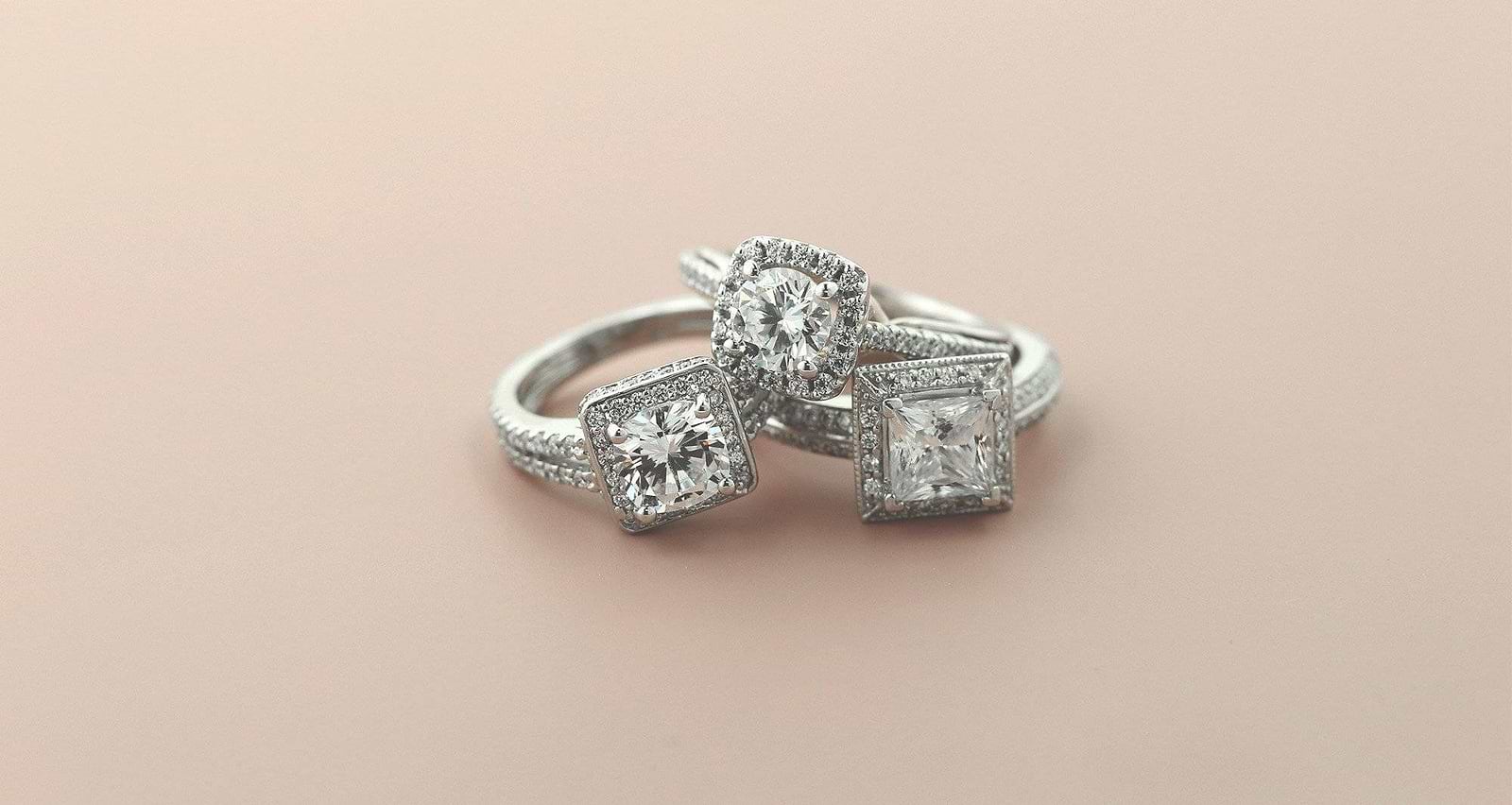
Now more than ever, people are cvd diamond vs lab grown instead of mined ones. These CVD-made gems stand out because they cost less, last long, and harm nature far less. One key thing that sets them apart comes down to how they’re built inside high-tech chambers. Shoppers who care about value plus planet-friendly choices often look closely at what makes each type unique.
Lab Grown Diamonds Explained?
Created in labs, these stones go by another name too – synthetic diamonds. Not pulled from deep underground, they form instead through human-made processes above ground. Identical on the inside, their makeup matches exactly that of earth-mined gems – atom for atom, trait for trait. One method squeezes carbon under extreme heat and pressure, mimicking nature’s way. Another breaks down gas into tiny particles that build up into diamond layers slowly over time.
- Deep underground, heat and crushing force shape real diamonds over time. Scientists copy those intense settings to grow gems in labs. These lab-made versions come from machines that pressurize carbon until it shifts into diamond form. While many serve factories and tools, some shine clear enough for jewelry too. Tough jobs might need their hardness, yet beauty stays possible.
- A thin slice of diamond acts as a starting point when gas fills a sealed space. From there, energy turns the gas into glowing plasma that releases tiny carbon pieces. These bits settle on the surface below, one at a time building up. Each new level copies the structure underneath exactly. What results is shaped by how the machine guides heat and pressure during growth. Control happens minute by minute through adjustments made mid-process.
CVD Diamonds with Precision and Purity
One way to make lab diamonds is called CVD, which sets it apart from others. Grown under careful conditions, these gems often have less cloudiness inside. Clarity tends to be sharp since nothing interferes during formation. Color comes out clean because variables stay tightly managed. Impurities rarely show up when settings remain steady throughout.
A single big plus? CVD diamonds often grow into sizable gems without flaws. Actually spotting the difference from mined ones takes more than just a jeweler’s lens these days. Heat or radiation applied after growth can shift how clear they look – even change their tint slightly.
CVD Diamonds Compared to Other Lab Grown Types
Even though every lab diamond matches a natural one in makeup and structure, CVD and HPHT types differ in clear ways. Starting differently, they grow under separate conditions – each shaped by its own process. One takes time inside a chamber filled with gas; the other forms under heavy pressure and high heat. Though both sparkle like mined stones, their paths to creation aren’t alike. You can spot distinctions under close inspection – not just how they form but also what shows up within them
- Growth Environment:
- A single diamond takes shape slowly inside an empty space, built one level at a time. This method lets makers adjust how clear or tinted the stone becomes, thanks to careful monitoring during growth. Instead of relying on chance, each stage happens under close watch, shaping traits deliberately through steady conditions.
- A single crystal might form when intense heat presses down on carbon deep underground. Such lab conditions mirror how gems appear over millions of years beneath Earth’s surface. Yet these stones sometimes come out with hues that need tweaking afterward. High pressure plus soaring temperatures make it happen – though the result isn’t always perfect straight away.
- Purity and Inclusions:
- Most CVD diamonds carry less trapped metal than HPHT ones, since those can trap tiny bits of metal during formation. Because of that cleaner makeup, people often pick CVD stones for rings and necklaces.
- Cost Efficiency:
- Price tags on CVD and HPHT stones sit below those of mined diamonds. Still, CVD versions usually edge out slightly cheaper because making them costs less money, also they need fewer fixes after growing to look top grade.
- Sustainability:
- Starting with how they’re made, lab diamonds like CVD skip the digging. Because there is no need to tear up land, fewer greenhouse gases get released. Ecosystems stay intact without disruption from heavy machinery. Water stays mostly untouched compared to regular diamond mining.
Debunking Common Myths
Some folks think diamonds made in labs, such as those grown with CVD methods, aren’t real or somehow less valuable. Yet they’re built exactly like earth-mined stones at the molecular level. Light bends through them just the same; their toughness matches too – rocking a full 10 on the Mohs chart. Even top grading groups – the GIA, the IGI – will stamp them with official reports.
It’s often said lab diamonds lose worth fast. Yet even if reselling brings less cash today, people still pick them because they cost less while avoiding mining harm. These stones shine bright in wedding bands, daily wear items, sometimes even long-term keepsakes.
Making the Choice
One thing to think about is how the stone was made. Since some are grown differently, they might look or wear slightly apart. A person could notice differences under bright light. Because production methods change, prices tend to shift too. Where someone buys it matters just as much. Some sellers offer better checks on quality. Even though all stones shine, their origins affect value. While shopping, comparing several options helps spot these details
- A fresh look at sparkle shows CVD stones tend to have fewer flaws, their hues flowing evenly from one gem to the next. Clearness stands out naturally, helped by steady tones that avoid sudden shifts. What you see stays true across different lighting, thanks to stable pigmentation built during creation. These traits come through without effort, shaped by how each diamond forms atom by atom.
- On price, lab-made stones usually cost less – though CVD versions might deliver finer results without raising the tag.
- When it comes to ethics, lab-made diamonds – whether CVD or another type – give an option without mining worries. Some shoppers who care about impact see these gems as a cleaner choice than earth-dug ones.
- A solid check comes first – look for proof the stone was graded by a known lab. That kind of stamp means you can trust what it is, how good it looks, where it came from. Without that mark? Harder to know if things add up.
Conclusion
Diamonds made through CVD methods mark a clear step forward in how we create gems, giving people a cleaner, less expensive option that still matches the quality of natural stones. Though every lab-created diamond brings advantages like lower cost and fewer ethical concerns, those grown with CVD tend to shine because of their sharp transparency, minimal impurities, and careful growth process. From wedding bands to personal collections or everyday jewelry, knowing how CVD differs from other synthetic diamonds helps shoppers pick wisely when stepping into today’s evolving world of man-made gems.