

IGI o GIA? The Truth About Man Made Diamonds Nobody Tells You
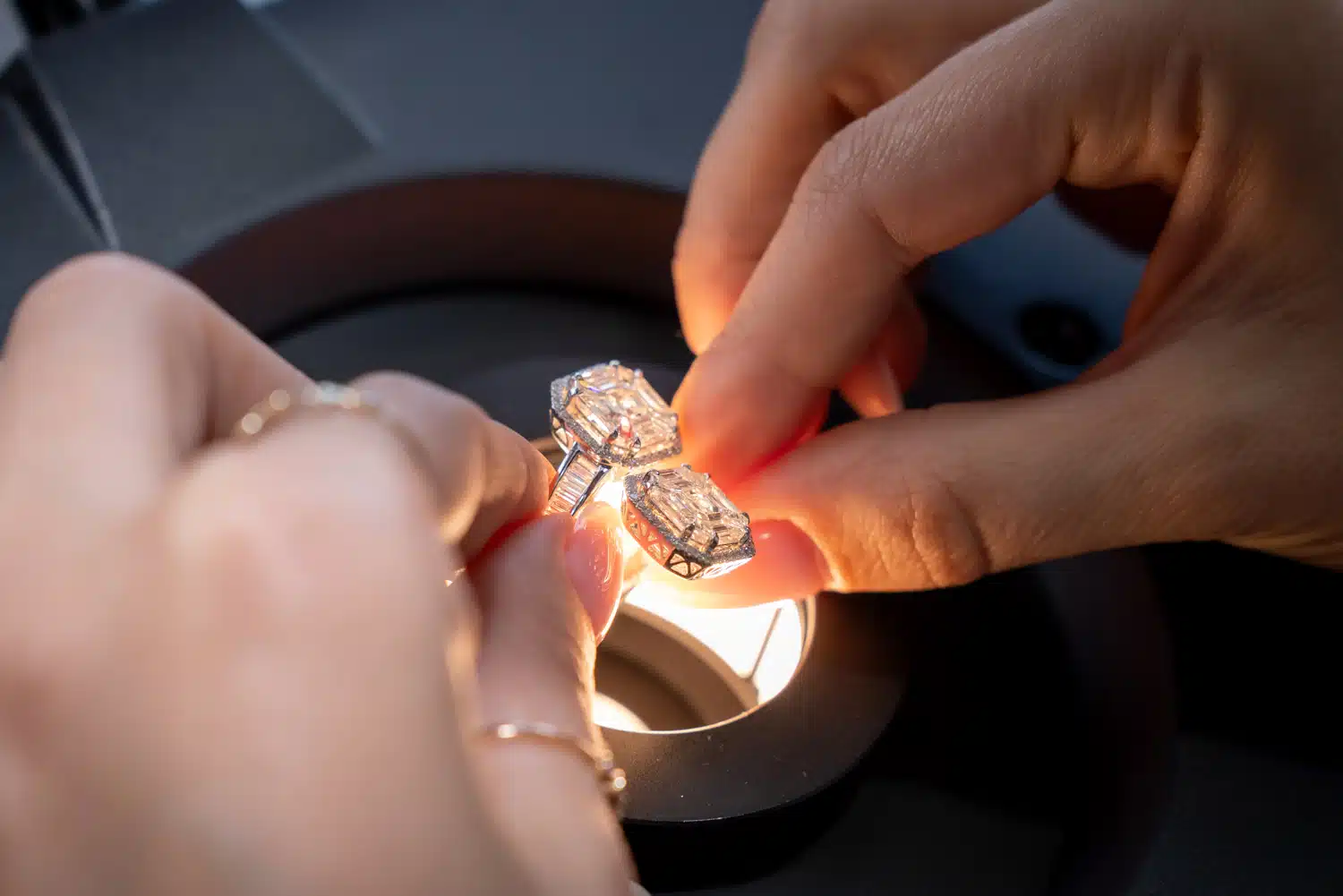
Ever stared at a diamond and thought, “Okay, but how do I even know if this thing is legit?” You’re not alone. Choosing between IGI o GIA certifications and wrapping your head around the world of man made diamonds can feel like a crash course in gemology. But don’t worry—we’ll keep this chat simple, a bit casual, and maybe even fun.
The Backstory: Why Certifications Even Matter
Think about it. When was the last time you bought something expensive without checking reviews? Probably never. And diamonds—whether natural or lab-grown—are a whole new level of “expensive.”
That’s where certifications like IGI and GIA come in. They’re basically the diamond world’s “seal of approval.” IGI (International Gemological Institute) and GIA (Gemological Institute of America) are the two big names. They grade diamonds based on the famous “4Cs”—cut, clarity, color, and carat.
But here’s where it gets interesting: when it comes to man made diamonds, there’s still debate about which certificate matters more. Some folks swear by GIA, saying it’s the gold standard. Others argue IGI has been more progressive and consistent with lab-grown grading. Honestly, it’s kind of like the Apple vs. Android debate. Both work. It just depends on what you want.
The Choices: IGI, GIA, and the Sparkly Trend of Lab Diamonds
So, let’s talk options. If you’re shopping for diamonds—especially lab-created ones—you’ll quickly notice a few trends:
- IGI-certified lab diamonds are everywhere. Retailers love them. Why? Because IGI has been grading man made diamonds for years, while GIA only started doing it more recently. IGI also tends to be faster and more cost-effective, which retailers appreciate.
- GIA still has the “halo” of prestige. For decades, if you wanted to flex that your diamond was top-tier, you wanted a GIA certificate. They’re strict, consistent, and people recognize the name.
- Lab-grown diamonds are winning hearts. Let’s be honest—many couples today don’t see the point in spending three times more on a mined diamond when a lab-grown one looks identical to the naked eye. Add the whole “eco-friendly and conflict-free” angle, and suddenly lab diamonds feel like the smart, even romantic, choice.
- Resale value? Tricky. Some jewelers argue GIA diamonds hold better resale value. But then again, if you’re buying an engagement ring, are you really thinking about reselling it? Hopefully not.
The Local Angle: Why People Are Talking About It Here
Now, depending on where you live, the conversation shifts. In big cities like New York, London, or Hong Kong, lab-grown diamonds are practically mainstream. You’ll see IGI certificates popping up in every boutique.
Meanwhile, smaller markets are still catching up, and GIA might carry more weight because people trust the name. It’s kind of like wine—what people rave about in France might not be the same bottle you find in your local store.
Another thing: culture plays a role. In places where “tradition” is everything, natural diamonds with GIA certification are still the go-to. But in trendier, modern hubs? IGI-certified lab diamonds are on fire.
How It All Works: Buying Without Losing Your Mind
Alright, let’s break down the process so it doesn’t feel like rocket science.
- Decide natural vs. man made. Step one is figuring out if you’re cool with a lab diamond. Spoiler: most people can’t tell the difference. Even jewelers sometimes need high-tech tools.
- Check the certificate. Whether it’s IGI or GIA, make sure your diamond has paperwork. If a jeweler tries to sell you something without certification, run. Seriously.
- Balance the 4Cs. Don’t obsess over perfection. Sometimes dropping one grade in clarity saves you a ton of money without anyone noticing.
- Compare IGI and GIA. Here’s where personal preference kicks in. If you want strict grading and prestige, lean GIA. If you want a wider selection of lab diamonds at competitive prices, IGI’s your friend.
- Trust your gut. At the end of the day, your partner isn’t going to whip out a magnifying glass at dinner. They’re going to love that you chose a ring that feels right.
Wrapping It Up
So, IGI or GIA? Honestly, there’s no one-size-fits-all. Both certifications are solid, and both will give you peace of mind. The real question is whether you’re open to man made diamonds, which are changing the jewelry world faster than most people realize.
At the end of the day, the right diamond—whether IGI or GIA certified, natural or lab-grown—is the one that tells your story. And if it makes you smile every time you glance at your hand? That’s all that really matters.


