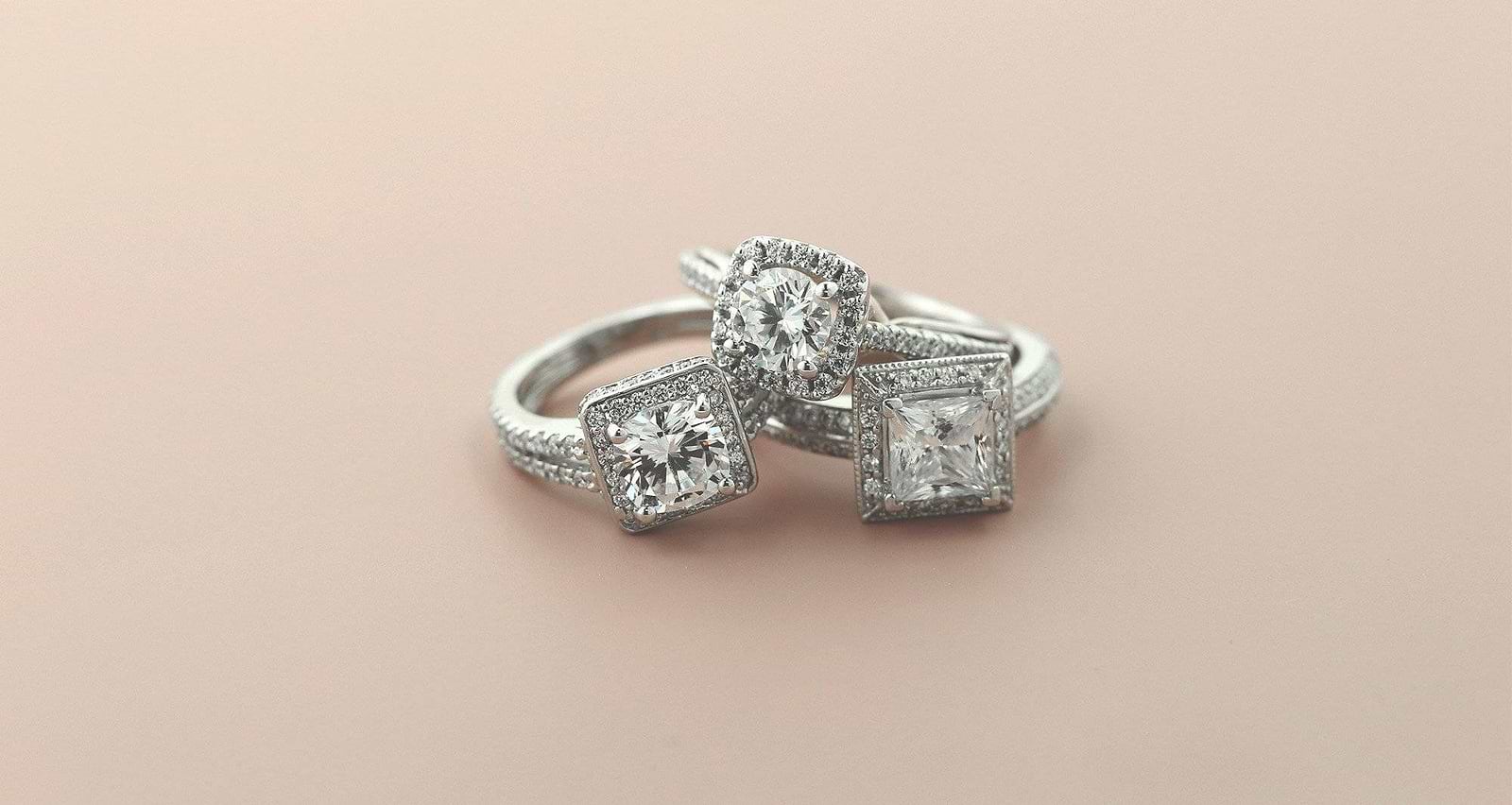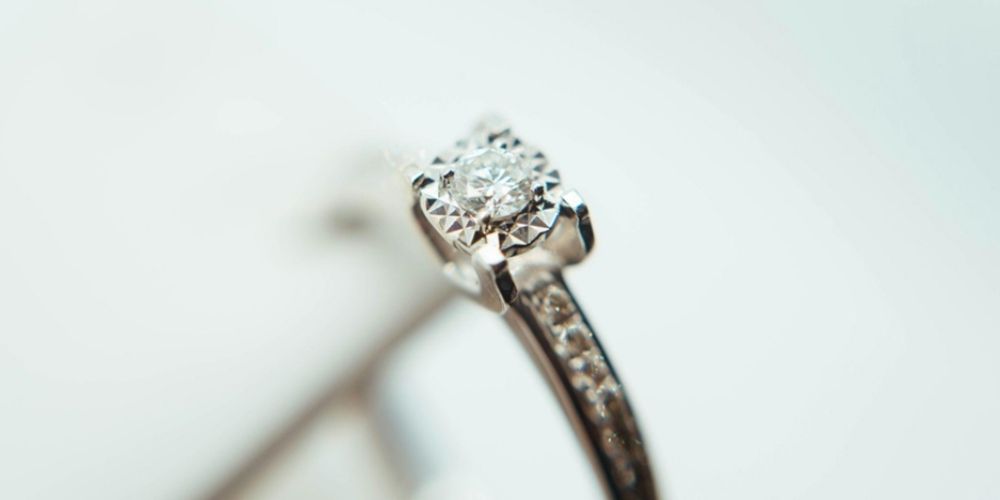

Three Stone Engagement Ring Guide That Makes Sense

Lab Grown Diamonds What To Know
Picking a gem means shaping its story. Not only what it shows, but also where it came from, how it feels every day. Another way opens up – built in labs, not pulled from ancient three stone engagement ring layers. These stones hold the same structure, the same shine, yet grow under careful watch. Real does not mean only earth-made. When three gems sit side by side on a band, origin becomes part of the message. Three stones now sit where one used to. Price matters more, so does craftsmanship. Balance shifts into focus slowly.
Lab Grown Diamonds How They Are Created
Deep underground, heat and pressure shape real diamonds over time. Scientists figured out how to speed this up in a lab. One way uses huge presses to squeeze carbon tight. Another floats gases inside a chamber until crystals grow. Each method makes stones that look just like mined ones.
- Deep underground forces come alive when intense warmth meets crushing weight. That mix shapes what happens far below the surface. Heat builds up. Pressure follows close behind. One pushes while the other holds tight. Conditions shift under such strain. What forms there would never survive up here. The core of our planet sets these rules without warning. Life above feels none of it. Yet down there, everything changes
- A thin diamond builds up slowly when carbon gas spreads through a special process. This method adds material one sheet at a time, guided by heat and pressure. Instead of mining it, scientists make it grow where needed. The result looks like natural diamond but forms in controlled settings. Each stage depends on how the gas reacts under precise conditions
A single test reveals identical makeup between created and natural diamonds. Only tools spot what eyes miss. Picture someone pointing at gems side by side – one pulled from earth, the other grown under controlled conditions. What you see appears exactly alike. This happens since the stuff they’re built from is one and the same.
Reasons Behind Choosing This Option
Most people weigh price, values, and carat when choosing. Yet lab-created stones typically come at lower prices than natural ones. So picking a bigger main gem or higher purity stays within reach financially. Instead of supporting digging into the earth, you sidestep harm to nature altogether. To certain shoppers, that difference settles the choice entirely. One reason some folks pick a three stone ring? It spreads the budget across matching gems. Instead of stretching thin for two sparklers, you balance cost with quality – three pieces fit neatly together.
Comparing Them to Natural Diamonds
A person cannot tell them apart just by lab grown diamonds looking. They shine the same way, resist scratches alike, last equally long. Where they come from sets them apart, also what they cost.
- Origin is above ground instead of underground
- Price is often lower for the same quality
- Some stones hold less worth when sold again, especially next to those pulled from the earth
Should your purchase carry personal significance instead of serving as an investment, the gap in worth might feel irrelevant.
Three Stone Ring Meaning
Balance shapes a three stone engagement ring. At its heart sits the central gem. Flanking that one are two others, holding it steady. Matching each stone in hue and purity matters most. All pieces together make the whole. A small difference in just one stone stands out right away. Because lab made diamonds come from stable environments, spotting pairs that match feels less like luck. Take a main gem weighing 1 carat. Suppose the smaller ones beside it should weigh half a carat apiece. Stone pairs pulled from the earth often stretch budgets thin. Yet lab-made versions deliver that identical appearance for less money.
Choosing a Diamond
Start with what you already know about buying diamonds. Quality shows up in cut, clarity, color, because carat isn’t everything.
Cut
Light bounces differently depending on a diamond’s shaping. When shaped just right, it glows stronger and feels more vivid.
Color
Some folks like diamonds that look almost clear. When using three gems, the shades should line up well from one to the next.
Clarity
These are tiny flaws inside the stone. Perfect transparency isn’t necessary. What matters is that they appear clear when you look at them.
Carat
A diamond’s heft defines its carat. Size alone won’t guarantee beauty. In a trio setting, harmony hits harder than sheer scale.
Common Mistakes to Avoid
Most folks fixate on the middle gem alone. Because of that, everything feels off.
- Picking side gems that feel undersized might leave the center stone looking lonely. On the flip side, going oversized can drown out its charm completely. Balance matters more than most realize at first glance
- Ignoring color match between stones
- Overpaying for clear things nobody sees
Think of the ring as a single unit. Instead of focusing on three distinct stones.
Styles That Fit Together
Light plays differently depending on the ring’s design. Through open claws, gems catch brightness easily, shining stronger. With metal wrapping their sides, stones take on a sleeker shape, guarded at the rim. How they sit changes what you notice first. Consider the shade of metal too. Brightness stands out more against white options. Warmth comes through in yellow or rose versions. Take a white gold ring holding three round gems – it looks sharp. Softness shows up when oval stones sit on rose gold.
Cost Planning That Works
Money talks when choices come up. Trends stay in the background. Pick a number that feels right for you first. Split it among the trio of gems after. These man made sparklers make life easier. Bigger rocks, nicer clarity – all within reach, no strain needed. Start with the main gem. Put roughly sixty out of every hundred dollars there, then divide what remains across the smaller ones beside it. That way, eyes go where they should first.
Durability and Everyday Use
Most days, these diamonds handle life just fine. Same toughness as those pulled from the earth. Hardness test? Identical results every time. What really matters sits underneath. A solid hold keeps everything in place. Look closely at how they’re fixed into the metal. Once in a while, take a look at the ring. A little care now keeps trouble away later.
Are They Right for You
Start by asking some honest questions. Looking for more size without stretching funds Might origin matter when choosing a stone Is keeping it for years part of the picture When value and sense guide choices, this path makes sense. Tradition or future selling power could pull you toward natural stones. No single choice works for everyone. Only what lines up with your own needs truly counts.
Real World Buying Example
A tight budget shapes your choices. Wanting a three-stone ring that stands out changes the game. One path: a natural diamond, one carat main stone, tiny companions beside it. Another route: lab diamonds, one point five carats up front, sides in harmony. They appear just as good to the eye. Size steps forward in the second pick. Presence grows without extra cost. That difference often pulls people toward the newer choice.
Smart Shopping Tips
Take your time with this decision. It won’t help to hurry.
- Compare stones side by side when possible
- Ask for certification from a recognized lab
- Check return policies before buying
Shopping online often means lower prices. Yet trying pieces in person has its perks at a neighborhood shop. Mix these paths when deciding where to buy.
FAQ
Are lab grown diamonds real diamonds
Fine. Identical traits – both in structure and makeup – match those of natural stones pulled from the earth.
Most of these hold up just like real diamonds do
Fine for daily use. These hold up just like the others. Not fragile at all.
Is a three stone engagement ring more expensive
True, it might work – though lab created stones help control spending without wrecking the look.